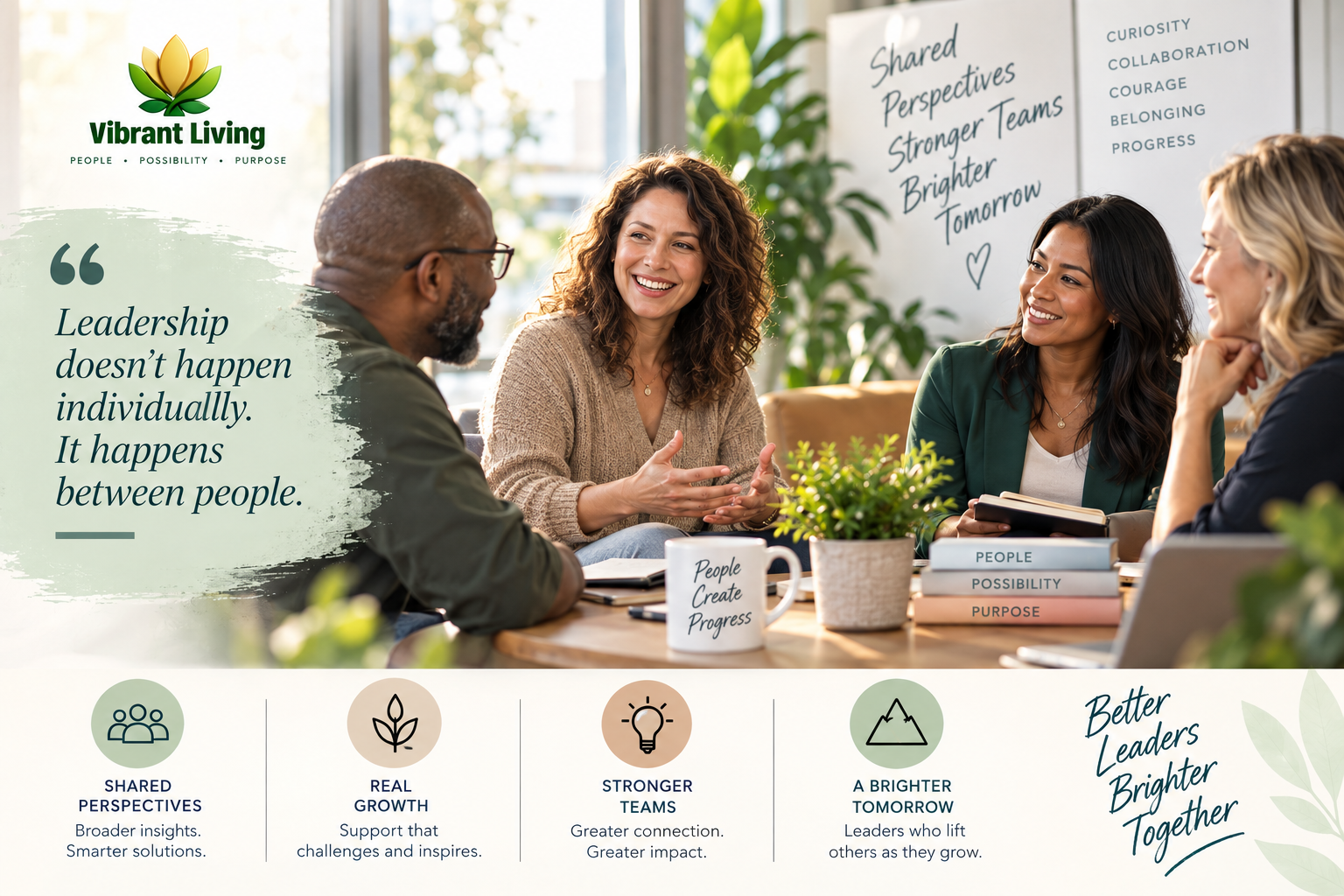
In today’s fast-paced organizational landscape, companies invest a great deal in developing leaders through workshops, assessments, and individual coaching. These initiatives aim to enhance essential skills like communication, emotional intelligence, and change management. While these investments yield valuable individual growth, they often overlook a critical aspect of leadership: the relational dynamics that unfold between leaders and their teams. Leadership is not merely an individual pursuit; it thrives in moments of collaboration, disagreement, and shared learning.
Group coaching emerges as a powerful solution to address this gap. By bringing leaders together in a collaborative coaching environment, organizations can transform how they develop leadership capabilities. Instead of focusing solely on individual performance, group coaching emphasizes the collective experience. As leaders engage in conversations that foster curiosity and challenge conventional thinking, they can practice and refine the relational skills necessary for effective leadership. This blog post will explore the importance of embracing collective leadership growth, transforming individual insights into shared experiences, and cultivating a culture of psychological safety and collaboration.
Embracing the power of collective leadership growth
Organizations invest a great deal in developing leaders, often focusing on individual growth through workshops, assessments, and executive coaching. However, the truth is that leadership thrives in a collective environment where leaders interact, collaborate, and challenge one another. Group coaching offers a transformative approach that capitalizes on this dynamic, allowing leaders to learn not just from facilitators, but from each other. By fostering an environment where diverse perspectives come together, organizations can unlock a wealth of knowledge and insights that might remain hidden in traditional one-on-one coaching scenarios.
When leaders engage in group coaching, they create a vibrant learning community that encourages open dialogue and shared experiences. This environment nurtures a sense of accountability and motivation, as leaders realize they are not isolated in their challenges. Instead, they benefit from the collective wisdom of their peers, gaining new strategies to tackle complex issues and enhance their leadership style. By embracing this power of collective leadership growth, organizations can cultivate a more robust and resilient leadership pipeline, equipped to navigate the complexities of today's organizational landscape.
Transforming individual insights into shared experiences
Group coaching offers a unique environment where leaders can transform their individual insights into shared learning experiences. When leaders come together, they bring diverse perspectives that can challenge assumptions and foster innovative thinking. For instance, a leader grappling with a particular team dynamic may find that others have faced similar situations. By discussing these challenges openly, participants gain new strategies and actionable insights from their peers, enriching their leadership toolkit. This collective reflection not only enhances their problem-solving skills but also ignites collaboration, allowing leaders to see their challenges through a broader lens.
Moreover, the interactions within a group coaching setting provide real-time feedback that can be invaluable for personal and professional growth. Leaders have the opportunity to receive diverse viewpoints, hear alternative approaches, and experiment with different communication styles. For example, when one leader shares their struggles in a coaching session, others can ask probing questions or offer suggestions grounded in their own experiences. This dynamic exchange cultivates a richer understanding of how to lead effectively, helping participants realize that their individual challenges are often interconnected within the larger organizational context. Ultimately, group coaching transforms isolated insights into powerful shared experiences that drive collective growth and enhance leadership effectiveness.
Cultivating a culture of psychological safety and collaboration
Fostering a culture of psychological safety within leadership teams significantly enhances collaboration and group coaching effectiveness. When leaders feel safe to express their thoughts, admit mistakes, or voice disagreements, they contribute to a rich learning environment where innovation and creativity flourish. In group coaching settings, these safe spaces allow participants to engage openly, share their experiences, and challenge one another's perspectives. This dynamic not only deepens the learning experience but also cultivates a shared commitment to growth. Leaders become more adept at navigating difficult conversations, understanding the value of diverse viewpoints, and practicing vulnerability—key components of effective leadership.
As leaders practice these behaviors in group coaching, they also model them for their teams, perpetuating a culture that prioritizes trust and inclusivity. Each interaction creates opportunities for feedback and shared learning, reinforcing the idea that leadership is a relational endeavor. Encouraging leaders to approach disagreements with curiosity instead of defensiveness nurtures stronger connections within the organization and empowers individuals to voice their concerns comfortably. Ultimately, cultivating psychological safety and collaboration transforms leadership development from a series of individual transactions into a collective journey where everyone thrives together.

Reviving the Belief that Legacy Matters